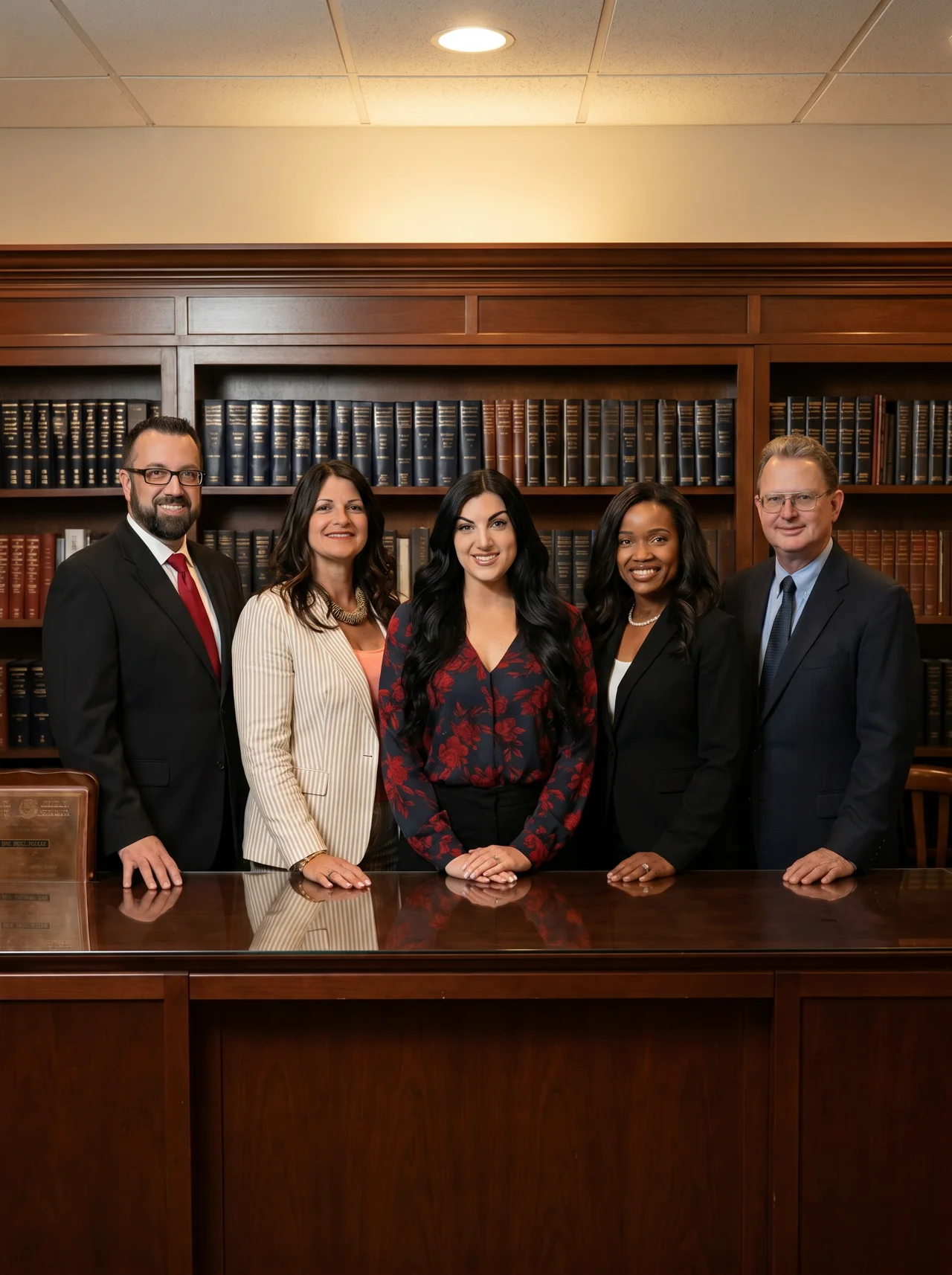
Child Custody Lawyer - Custody and Visitation
It is the public policy of Florida to assure each minor child frequent and continuing contact with both parents after the parents have separated or divorced, and to encourage parents to share the rights and responsibilities of child rearing. The father is given the same consideration as the mother in determining custody regardless of their child's age, sex or other factors.
In most cases, parental responsibility for a minor child will be shared by both parents so that each retains full parental rights and responsibilities with respect to their child. This requires both parents to confer so that major decisions affecting the welfare of the child will be determined jointly.
You and your spouse may agree, or the court may order, that one parent have the ultimate responsibility over specific aspects of the child's welfare, such as education, religion and removal from the area, medical and dental needs. If the parents have a substantial conflict over any of these areas the court will decide for them. The court will also designate one parent's home as the primary residence of the child. The other parent is usually entitled to frequent and continuing contact with the child.
In rare cases, the court can order total parental responsibility and custody to one parent. To do so, the court must determine that shared parental responsibility would be detrimental to the child. The court may award to the child's grandparents certain visitation rights if it is deemed by the court to be in the child's best interest. Thereafter, the grandparents have the right to seek judicial enforcement of the visitation rights. The court may award grandparents visitation rights after the parents divorce, when it is in the best interest of the grandchild or when one or both parents of the child are deceased; or, when a parent of the child has deserted the child.
In considering issues between parents and their children, the best interest of the child is the primary consideration by the courts.
The Florida Bar has developed a consumer pamphlet entitled "Shared Parenting After Divorce" which discusses the subject and includes a model shared parenting agreement. You can click here to download.
Support
You and your spouse each have a responsibility to support your children in accordance with their needs and your financial abilities. Support may be by direct payment or by indirect benefits, such as mortgage payments, insurance, or medical and dental expenses. Ordinarily, the obligation to support your child ends when that child reaches 18, marries, or becomes financially independent.
Some of the issues concerning child support which must be considered include: (a) the amount of support;(b) the method of payment; (c) ways to assure payments are made; (d) when child support may be increased or decreased; and (e) who gets the dependency deduction for tax purposes. Other questions may need to be answered, depending on the circumstances of your case. Guidelines for support which apply to many cases have been adopted by the state and will soon be mandatory.
If you have a problem getting support payments from your spouse or former spouse, or visitation and access to your child is denied, you should bring this matter to the attention of the court. It is not proper to withhold visitation or child support payments because of any alleged wrong doing by your spouse or former spouse. You need the representation of a good Tampa divorce lawyer. Call Steven Glaros Glaros today at 813-854-1234.
|